
In the world of construction, efficiency, safety, and flexibility are key to ensuring timely project completion. The need for innovative and versatile lifting equipment has never been greater, and one of the most reliable solutions in modern construction projects is the Single Beam Rubber Tyred Gantry Crane (RTG). Whether you’re working on a large infrastructure project or a smaller construction site, the introduction of RTG cranes has revolutionized material handling by providing both mobility and high lifting capacity. In this article, we will explore the benefits, features, applications, and considerations for using single beam rubber tyred gantry cranes in construction settings.
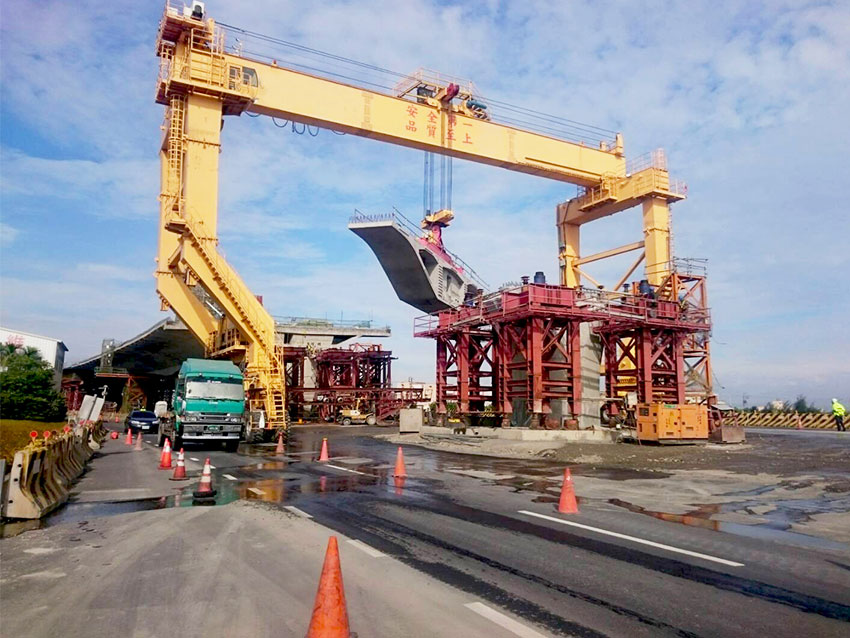
What is a Single Beam Rubber Tyred Gantry Crane?
A single beam rubber tyred gantry crane is a type of overhead crane that operates on rubber tires, allowing it to move freely on a flat surface without the need for fixed tracks. These cranes are equipped with a single overhead beam supported by vertical legs. The crane’s tires, typically made of solid rubber, provide the flexibility to move the rubber tire crane from one area to another within a construction site or factory.
The main feature that sets RTGs apart from other cranes is their mobility. Unlike traditional rail-mounted cranes, which are confined to a fixed path, rubber tyred gantry cranes are highly flexible and can be relocated quickly to handle materials in various locations on the site. This makes them particularly useful for dynamic construction environments where tasks vary from one zone to another, such as in large-scale construction projects, heavy civil works, or road construction.
Key Features of Single Beam Rubber Tyred Gantry Cranes
-
Mobility and Flexibility: The most significant feature of a rubber tyred gantry crane is its ability to move freely across the site. The tires allow the crane to travel along roads, ramps, or flat surfaces without needing permanent tracks or infrastructure, enabling it to handle materials in multiple areas.
-
Single Beam Design: The single beam design is more cost-effective compared to double beam gantry cranes while still offering sufficient load-bearing capabilities. It consists of one main horizontal beam supported by two vertical legs with rubber tires. This simplified design makes it suitable for light to medium-duty lifting.
-
Load Capacity: Single beam RTGs are available in a variety of load capacities, typically ranging from 5 tons to 50 tons. While these cranes are ideal for lighter loads compared to larger double-beam RTGs, they still provide excellent lifting power for most construction tasks.
-
Efficient Power Source: Many modern single beam rubber tyred gantry cranes are equipped with electric drives for efficient operation. This is especially important on construction sites where power consumption and eco-friendliness are becoming critical considerations. Electric motors also ensure quieter operation, reducing noise pollution in residential or urban areas.
-
Advanced Control Systems: Most RTGs come with a radio remote control or cabin-based control system, enabling operators to manage the crane’s movements precisely. Some models also feature an anti-sway mechanism, which minimizes load swing, enhancing safety and efficiency.
-
Durability: Constructed with robust materials like steel and equipped with heavy-duty tires, these cranes can handle a wide range of environmental conditions. Whether it’s a muddy, rugged construction site or a clean, paved area, the rubber tires ensure smooth mobility.
-
Minimal Ground Impact: Since RTGs do not require heavy foundations or tracks, they put minimal strain on the construction site’s ground surface. This can reduce the need for costly site preparation or ground reinforcement.
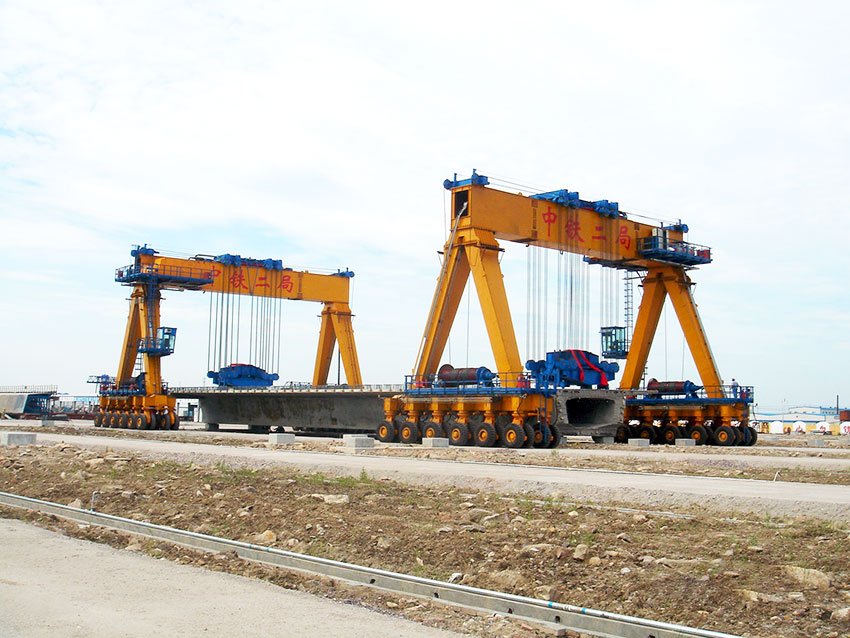
Benefits of Using Single Beam Rubber Tyred Gantry Cranes on Construction Sites
-
Increased Productivity and Efficiency: One of the primary advantages of using a rubber tyred single beam gantry crane is its ability to significantly boost productivity. By being able to move quickly between different areas of the construction site, the crane can handle various lifting and transport tasks without delays. This results in more efficient handling of materials, reducing downtime and speeding up project timelines.
-
Reduced Labor Costs: The enhanced mobility and lifting capacity of RTGs reduce the need for additional material handling equipment and manual labor. This can result in significant cost savings, especially on large-scale projects where labor costs can be a substantial portion of the budget.
-
Space Optimization: RTGs can access areas that may be difficult or impossible for fixed cranes to reach, making them ideal for tight or congested construction sites. Their ability to move around with minimal space requirements allows for more efficient use of the available work area, maximizing site productivity.
-
Improved Safety: The smooth operation of rubber tyred gantry cranes and their ability to travel across uneven terrain or around obstacles reduces the risks associated with traditional cranes. Moreover, many modern RTGs come with safety features like anti-collision systems, overload protection, and emergency stop functions, which significantly improve safety on the job site.
-
Flexibility in Design and Operation: The modular design of RTGs means they can be adapted to different construction needs. Whether lifting heavy steel beams, concrete blocks, or construction materials like bricks or timber, these cranes can be equipped with various lifting attachments or accessories. Furthermore, as construction requirements change, the crane can be relocated to new sections of the site with minimal effort.
-
Reduced Maintenance Costs: Unlike rail mounted cranes, RTGs do not require regular maintenance of the track system. The rubber tires are generally low-maintenance and can be easily replaced when needed. Additionally, the electric drive system reduces wear and tear compared to traditional fuel-driven cranes.
Applications of Single Beam Rubber Tyred Gantry Cranes on Construction Sites
-
Material Handling: Construction sites require the handling of a variety of materials, from heavy equipment and machinery to construction components. Single beam rubber tyred gantry cranes can efficiently transport these materials to and from storage areas, moving them across the site with ease.
-
Steel Handling: Large-scale projects often involve significant amounts of steel reinforcement, beams, and panels. The lifting capacity of single beam RTGs makes them ideal for lifting and positioning steel components, which are essential for the structural integrity of buildings, bridges, and roads.
-
Concrete Precasting: In precast concrete operations, RTGs are commonly used to lift and transport precast elements, such as beams, columns, and panels, from the production area to the construction site. The cranes’ ability to move large, heavy precast elements efficiently enhances productivity in the construction of buildings, highways, and other infrastructure.
-
Lifting Heavy Equipment: In construction projects that require the use of large machinery or construction equipment, RTGs can help lift and move these machines to various parts of the site. Their load capacity is well-suited for lifting equipment such as generators, concrete mixers, and other heavy tools.
-
Construction Site Logistics: For construction projects involving multiple subcontractors, RTGs are used to transport materials and equipment from one contractor’s site to another. This makes the coordination of construction logistics more streamlined and effective, allowing for fewer delays due to material shortages.
Key Considerations When Choosing a Single Beam Rubber Tyred Gantry Crane
-
Load Capacity Requirements: It’s crucial to select a crane with the appropriate lifting capacity based on the types of materials you plan to handle. Single beam RTGs are available in a variety of capacities, so understanding your lifting needs is essential for choosing the right model.
-
Site Conditions: The condition of the construction site’s surface will impact the crane’s performance. While RTGs can operate on flat, paved surfaces, rough terrain may require cranes with more specialized tires or suspension systems.
-
Environmental Impact: With growing environmental concerns, consider choosing an electric-powered RTG crane. These cranes are more eco-friendly compared to diesel-powered models and can help reduce the overall environmental footprint of your construction project.
-
Maintenance and Support: Opt for a crane supplier that offers strong after-sales support, including regular maintenance and spare parts availability. This will ensure your crane stays in optimal condition throughout the duration of your project.
Conclusion
Single Beam Rubber Tyred Gantry Cranes are a versatile, efficient, and cost-effective solution for modern construction sites. Their flexibility, mobility, and robust lifting capabilities make them ideal for handling materials and equipment in various construction environments. Whether you’re managing a large-scale project or a smaller operation, the addition of a single beam RTG can significantly improve the speed, safety, and cost-efficiency of your construction activities. By considering your specific lifting needs, site conditions, and crane specifications, you can select the perfect RTG crane to enhance productivity and help deliver your project on time and within budget.