
The initial investment required for establishing a ready mix concrete plant can be substantial. Costs typically include land acquisition, equipment procurement, installation, raw material storage facilities, power infrastructure, and workforce training. For entrepreneurs entering the rmc plant business, managing this capital expenditure is often the most significant challenge. However, while ready mix concrete plant setup costs may be high, long-term operational efficiency can significantly improve profitability and shorten the return-on-investment period.
In emerging markets such as a ready mix concrete plant in Bangladesh, investors must carefully balance cost control with production capacity. Similarly, in highly regulated and competitive markets like a ready mix plant Singapore, efficiency becomes the primary tool for maintaining margins. Strategic operational planning ensures that the plant operates at optimal capacity, minimizing waste and maximizing output from day one.
Optimizing Production Workflow and Capacity Utilization
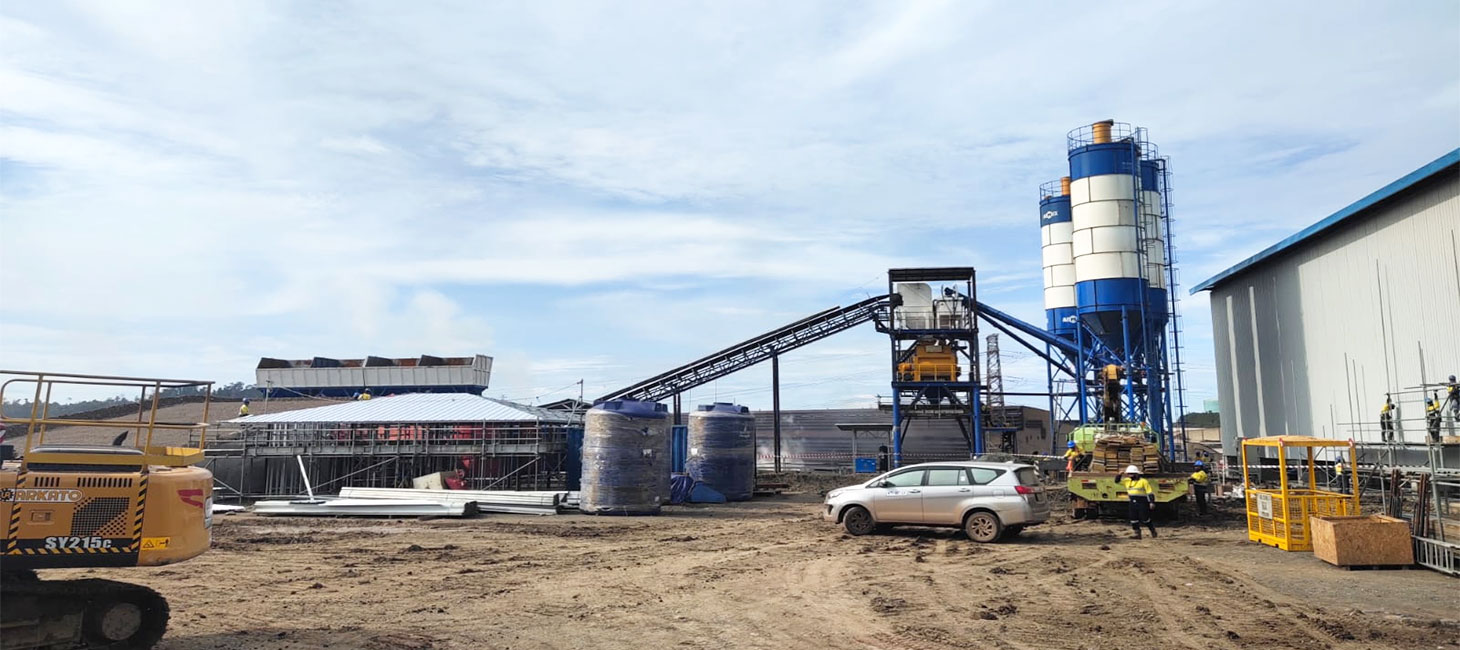
One of the most effective strategies to offset high setup costs is maximizing production efficiency. Plants must be designed and managed to operate near their optimal capacity without frequent downtime. Efficient batching cycles, accurate weighing systems, and synchronized material flow reduce delays and improve overall output.
For instance, in a ready mix concrete plant in Bangladesh, where infrastructure projects often demand large volumes, proper scheduling of batching cycles can significantly increase daily production. In contrast, a ready mix plant Singapore may focus on precision and timely deliveries due to space constraints and strict project deadlines. In both cases, improving workflow reduces operational waste and increases revenue generation, helping to recover initial investment faster.
Additionally, data-driven production planning allows managers to forecast demand accurately. By aligning production with actual project requirements, the plant avoids overproduction or idle time, both of which can negatively impact profitability in the rmc plant business.
Leveraging Automation and Smart Technology
Automation plays a critical role in enhancing operational efficiency. Modern ready mix plants integrate computerized control systems that automate batching, monitor material usage, and ensure accurate mix proportions. This reduces human error, improves consistency, and lowers material wastage—especially cement, which represents a significant cost component.
In a ready mix plant Singapore, where labor costs are high, automation significantly reduces reliance on manual operations. Meanwhile, a ready mix concrete plant in Bangladesh can benefit from automated systems by improving quality control and minimizing raw material loss. Over time, these efficiency gains directly offset high setup costs by reducing operational expenses and increasing output consistency.
Remote monitoring systems also allow managers to track plant performance in real time. Predictive maintenance alerts help prevent breakdowns, avoiding costly downtime that can disrupt project schedules and damage client relationships in the competitive rmc plant business.
Reducing Material Waste and Energy Consumption
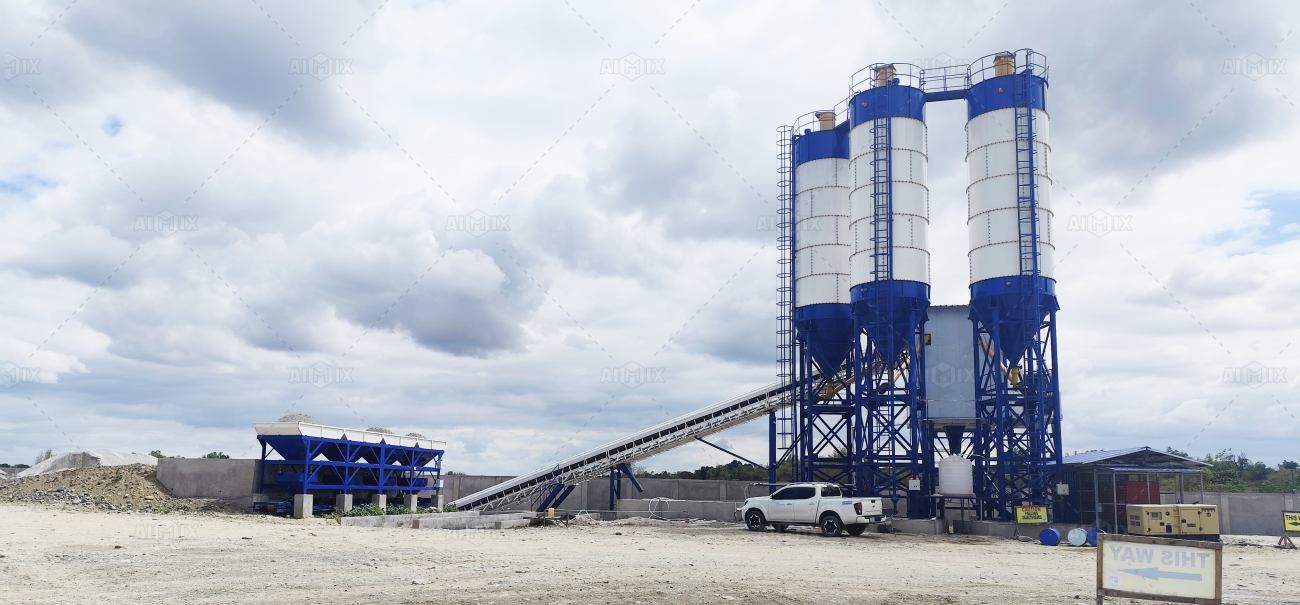
Material waste is one of the hidden costs that can erode profitability. Efficient raw material management—such as proper storage of aggregates, controlled water usage, and accurate cement measurement—ensures minimal loss during production. Installing moisture sensors and automated aggregate feeders further improves precision.
Energy consumption is another major operational expense. Energy-efficient motors, optimized mixer designs, and well-maintained conveyor systems reduce power usage. In markets like Singapore, where electricity costs are relatively high, a ready mix plant Singapore must prioritize energy-saving equipment to remain competitive. Similarly, for a ready mix concrete plant in Bangladesh, controlling energy costs enhances profitability in price-sensitive markets.
By combining waste reduction and energy efficiency strategies, operators can significantly lower per-cubic-meter production costs, accelerating cost recovery and strengthening the sustainability of the rmc plant business.
Strengthening Supply Chain and Logistics Management
Efficient logistics management is essential for maximizing plant productivity. Coordinating raw material supply with production schedules prevents stock shortages and excessive inventory holding. Establishing strong relationships with local suppliers ensures stable pricing and consistent material quality.
Delivery logistics also impact operational efficiency. Optimized routing of transit mixers reduces fuel consumption and ensures timely delivery, which is particularly important in urban settings like Singapore. A ready mix plant Singapore must carefully plan transport schedules to avoid traffic congestion delays. Meanwhile, a ready mix concrete plant in Bangladesh may focus on reducing transportation distances by strategically locating the plant near key construction zones.
Improved logistics coordination not only reduces operating costs but also enhances customer satisfaction—an important factor for sustaining growth in the competitive rmc plant business.
Workforce Training and Performance Optimization
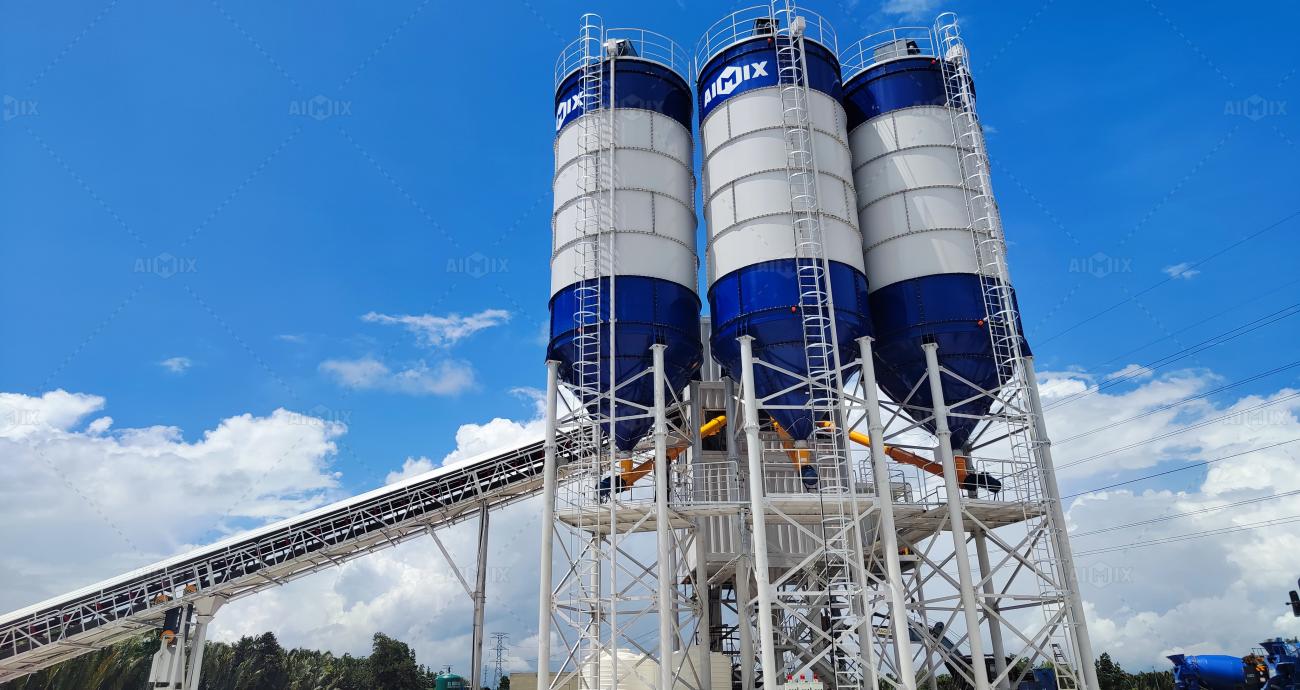
While technology plays a major role, skilled operators remain essential to plant efficiency. Proper training ensures accurate batching, timely maintenance, and safe operations. Experienced staff can quickly identify issues and implement corrective actions, minimizing downtime.
Performance-based management systems can further improve productivity. By tracking output metrics, maintenance efficiency, and delivery timelines, plant managers can identify improvement areas and implement corrective measures. Whether operating a ready mix concrete plant in Bangladesh or a ready mix plant Singapore, investing in workforce development contributes directly to higher operational efficiency and long-term cost control.
Conclusion
Although the initial ready mix concrete plant setup cost can be substantial, strategic operational efficiency measures can effectively offset this investment. Optimizing production workflows, adopting automation, reducing material waste, managing energy consumption, strengthening logistics, and investing in workforce training all contribute to lower operating costs and higher profitability.
For entrepreneurs in the rmc plant business, whether operating a ready mix concrete plant in Bangladesh or managing a ready mix plant Singapore, efficiency is the key to sustainable growth. By focusing on continuous improvement and smart resource management, plant owners can accelerate return on investment and build a resilient, competitive operation in today’s dynamic construction market.