
The Core Role of Industrial Stone Crusher in Different Crushing Scenarios
Industrial stone crusher is the core equipment of gravel crushing plant, quartz crushing plant, and cobblestone crushing projects, responsible for converting raw stone materials into qualified aggregates for construction, building materials, and industrial production. However, gravel, quartz, and cobblestone have distinct physical and chemical properties—such as hardness, abrasiveness, and brittleness—which determine that the industrial stone crusher used for each material must be customized to meet specific crushing needs. There are obvious differences in the type selection, structural design, performance parameters, and supporting equipment of industrial stone crushers for these three materials. Understanding these differences is crucial for building efficient, energy-saving, and low-loss crushing plants, avoiding equipment wear, low production efficiency, and unqualified finished products. This article details the specific differences among industrial stone crushers for gravel, quartz, and cobblestone, providing a comprehensive reference for investors and operators of crushing projects.
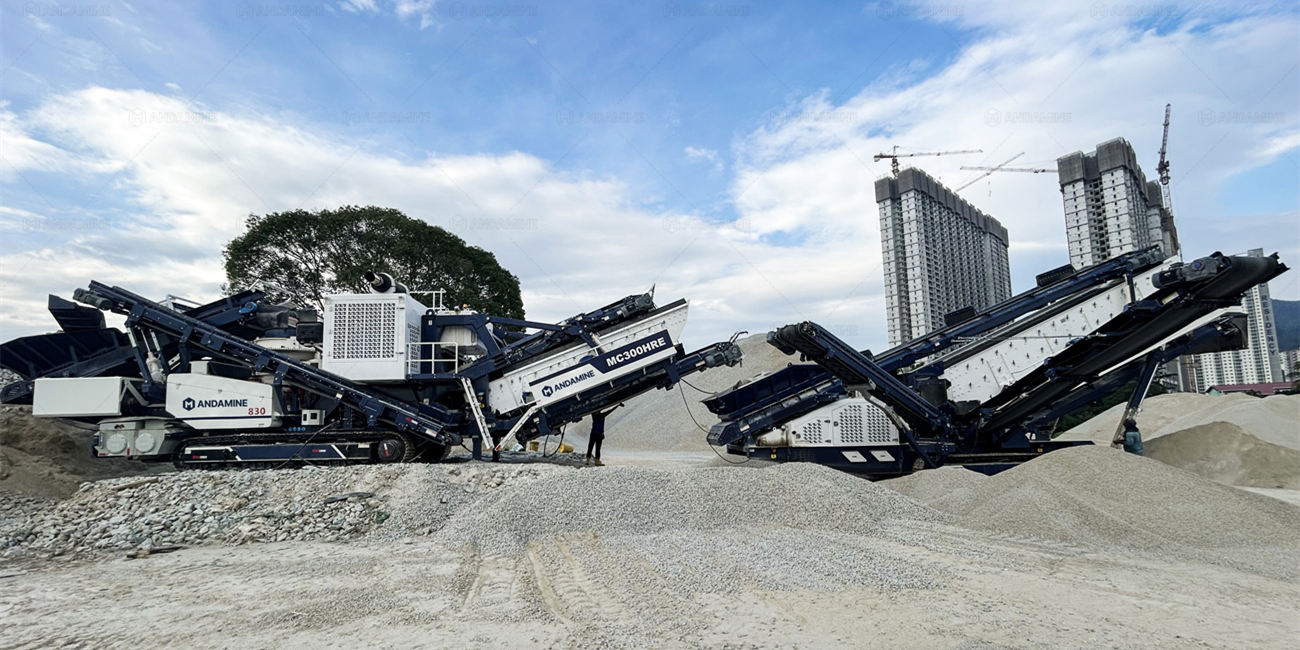
Differences in Raw Material Properties: The Fundamental Reason for Crusher Customization
The essential difference among industrial stone crushers for gravel, quartz, and cobblestone lies in the distinct physical and chemical properties of the three raw materials, which directly determine the crushing difficulty, equipment wear, and process design. Gravel is a loose aggregate formed by natural weathering, erosion, and transportation of rocks, with moderate hardness (Mohs hardness 3-5), low abrasiveness, and good brittleness. It is easy to crush and has low damage to crusher components, making it suitable for general crushing processes. Quartz, also known as silica, is a hard and wear-resistant mineral (Mohs hardness 7), with high density, strong toughness, and poor brittleness. It is extremely difficult to crush, and the crushing process will cause severe wear to the crusher’s liner, hammer head, and other vulnerable parts. Cobblestone is a natural stone formed by long-term water erosion, with a smooth surface, high hardness (Mohs hardness 6-7), strong toughness, and moderate abrasiveness—its hardness is lower than quartz but higher than gravel, and its smooth surface increases the difficulty of feeding and crushing. These differences in raw material properties require industrial stone crushers to adopt different structural designs and performance configurations to ensure crushing efficiency and product quality.
Differences in Applicable Industrial Stone Crusher Types
Due to the differences in raw material properties, the types of industrial stone crushers used in gravel crushing plant, quartz crushing plant, and cobblestone crushing projects are significantly different, with each type of crusher matching the crushing characteristics of the corresponding material. For gravel crushing, the requirements for industrial stone crushers are relatively low, and jaw crushers, impact crushers, or cone crushers can be selected according to the desired finished product size. Jaw crushers are usually used for primary crushing, with large feeding port, high crushing ratio, and suitable for crushing large-sized gravel raw materials; impact crushers are used for secondary or tertiary crushing, which can produce cubic aggregates with good particle shape, meeting the requirements of construction aggregates. For quartz crushing, due to its high hardness and wear resistance, industrial stone crushers must have strong wear resistance and high crushing force. Cone crushers (especially hydraulic cone crushers) and impact crushers with wear-resistant liners are the preferred choices. Hydraulic cone crushers have strong crushing force, uniform product size, and the liner is made of high-chromium alloy, which can resist the severe wear caused by quartz crushing; impact crushers used for quartz must be equipped with ultra-wear-resistant hammer heads and impact plates to extend the service life of components. For cobblestone crushing, the industrial stone crusher needs to solve the problems of smooth surface feeding and moderate wear. Jaw crushers are suitable for primary crushing, and impact crushers or cone crushers can be selected for secondary crushing—impact crushers are more suitable for cobblestone crushing because they can use the impact force to crush the smooth-surfaced cobblestones, and the finished product has good particle shape; cone crushers are suitable for large-scale cobblestone crushing projects, with high production efficiency and strong stability.
Differences in Core Structural Design of Industrial Stone Crushers
Even if the same type of industrial stone crusher is used, its core structural design will be adjusted according to the characteristics of gravel, quartz, and cobblestone, mainly focusing on the crushing chamber, vulnerable parts, and feeding system. For gravel crushers, the crushing chamber is designed to be relatively large, with a reasonable cavity shape to ensure smooth feeding and discharge, and reduce the phenomenon of blocking materials. The vulnerable parts (liner, hammer head) are made of general wear-resistant materials (such as manganese steel), which can meet the needs of gravel crushing and control the cost. The feeding system adopts a simple vibrating feeder, which can realize uniform feeding without special anti-slip design. For quartz crushers, the crushing chamber is designed to be narrow and long, with a high crushing ratio, which can fully crush the hard quartz and ensure the finished product size meets the requirements. The vulnerable parts are made of high-performance wear-resistant materials (such as high-chromium alloy, composite wear-resistant materials), which have extremely high hardness and wear resistance, and the thickness of the liner and hammer head is increased to extend the replacement cycle. The feeding system is equipped with a pre-screening device to remove impurities and small particles in the quartz raw materials, avoiding unnecessary wear to the crusher. For cobblestone crushers, the crushing chamber is designed to be moderate in size, with a smooth cavity wall to reduce the friction between cobblestones and the cavity wall, and avoid blocking materials caused by the smooth surface of cobblestones. The vulnerable parts are made of medium-grade wear-resistant materials (between gravel and quartz crushers), balancing wear resistance and cost. The feeding system adopts an anti-slip vibrating feeder, and the feeding plate is equipped with anti-slip ribs to prevent the smooth cobblestones from slipping during feeding, ensuring uniform feeding.
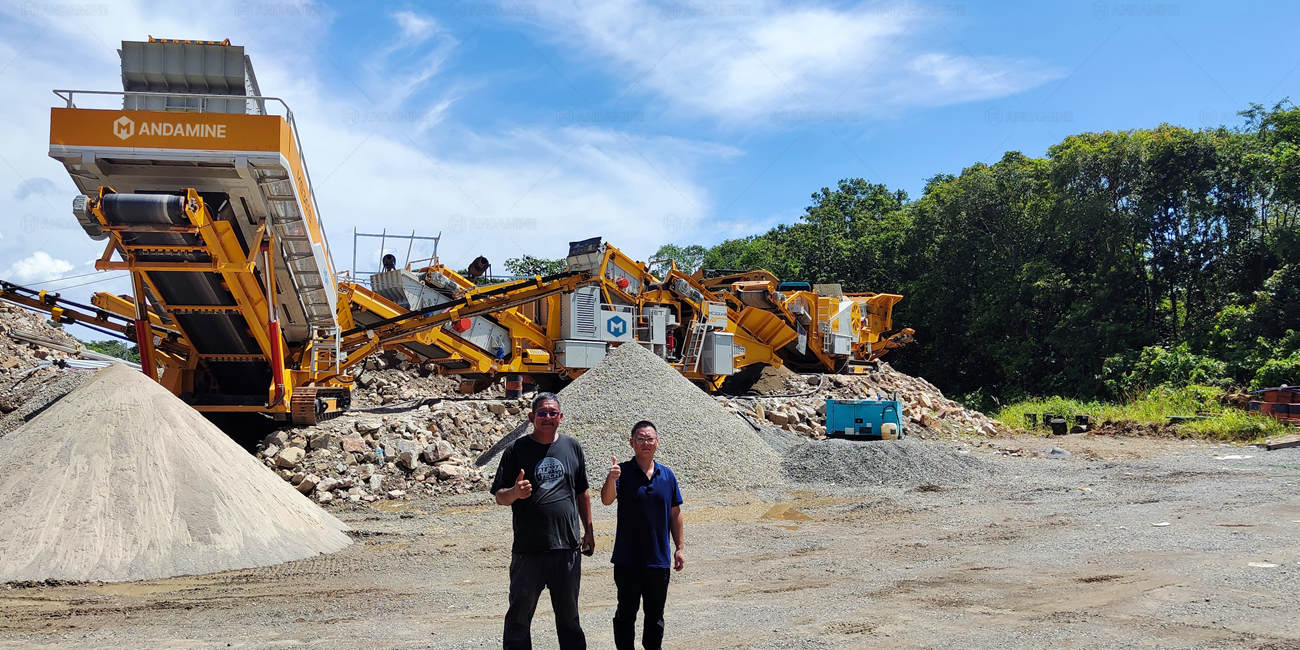
Differences in Performance Parameters and Crushing Processes
The performance parameters and crushing processes of industrial stone crushers for gravel, quartz, and cobblestone also have obvious differences, which are determined by the crushing difficulty and product requirements. In terms of performance parameters, gravel crushers have moderate power (50-200kW), high production efficiency (50-500t/h), and low crushing pressure, which can reduce energy consumption while ensuring crushing effect. Quartz crushers require high power (100-300kW) and high crushing pressure, because quartz is hard and difficult to crush, and high power can provide sufficient crushing force; the production efficiency is relatively low (30-300t/h) due to the severe wear of components and the difficulty of crushing. Cobblestone crushers have moderate power (80-250kW) and production efficiency (40-400t/h), and the crushing pressure is between gravel and quartz crushers, which can balance crushing efficiency and equipment wear. In terms of crushing processes, gravel crushing usually adopts a two-stage crushing process (primary crushing + secondary crushing), which can meet the requirements of most construction aggregates, with simple process and low investment. Quartz crushing needs to adopt a three-stage crushing process (primary crushing + secondary crushing + tertiary crushing) due to its high hardness, and the finished product needs to be screened and graded multiple times to ensure the particle size is uniform and meets the industrial use requirements; some high-standard quartz crushing plants also need to add a shaping process to improve the product quality. Cobblestone crushing usually adopts a two-stage or three-stage crushing process according to the finished product requirements: for general construction aggregates, a two-stage process is sufficient; for high-standard aggregates (such as highway pavement aggregates), a three-stage process is needed to ensure the particle shape and particle size distribution.
Differences in Supporting Equipment and Operational Costs
The supporting equipment and operational costs of industrial stone crushers for gravel, quartz, and cobblestone are also different, which is an important factor affecting the investment and operation of crushing plants. For gravel crushing plant, the supporting equipment is relatively simple, including vibrating feeder, vibrating screen, and conveyor belt, without special auxiliary equipment. The operational cost is low, mainly including energy consumption and the replacement cost of vulnerable parts—due to the low wear of gravel, the replacement cycle of vulnerable parts is long (3-6 months), and the energy consumption per ton of finished product is about 5-8kWh. For quartz crushing plant, the supporting equipment is more complex, including pre-screening machine, dust removal equipment, and wear-resistant conveyor belt (to resist the wear of quartz particles). The operational cost is high: the replacement cycle of vulnerable parts is short (1-3 months) due to severe wear, and the cost of vulnerable parts is high; the energy consumption per ton of finished product is about 8-12kWh; in addition, the dust generated during quartz crushing is large, and the operation cost of dust removal equipment also increases the overall operational cost. For cobblestone crushing projects, the supporting equipment is moderate, including anti-slip vibrating feeder, vibrating screen, and conveyor belt (equipped with anti-wear liner). The operational cost is between gravel and quartz crushing: the replacement cycle of vulnerable parts is 2-4 months, and the energy consumption per ton of finished product is about 6-10kWh; the dust generated during cobblestone crushing is less than quartz, so the operation cost of dust removal equipment is relatively low.
In conclusion, the industrial stone crushers for gravel, quartz, and cobblestone have obvious differences in type selection, structural design, performance parameters, supporting equipment, and operational costs, which are all determined by the distinct physical and chemical properties of the three raw materials. Gravel crushers focus on efficiency and cost control, quartz crushers emphasize wear resistance and crushing force, and cobblestone crushers balance adaptability, particle shape, and operational cost. When building a gravel crushing plant, quartz crushing plant, or cobblestone crushing project, it is necessary to select the appropriate industrial stone crusher according to the raw material characteristics and product requirements, so as to improve production efficiency, reduce operational costs, and ensure the quality of finished products.