
Infrastructure development across Latin America is accelerating, but contractors face a persistent challenge: how to deliver high-quality asphalt in regions where centralized production is impractical. From the winding roads of the Colombian Andes to the sprawling highway networks of Brazil and the remote mining access routes in Chile, the demand for flexible, responsive paving solutions has never been greater. The answer lies in strategic equipment choices. By adopting a mobile asphalt plant(planta de asfalto móvil), contractors can break free from the limitations of fixed production and unlock a new level of operational agility. This article explores how shifting to mobile technology—including drum mix and mini configurations—enables Latin American firms to complete projects faster, cheaper, and with greater quality control.
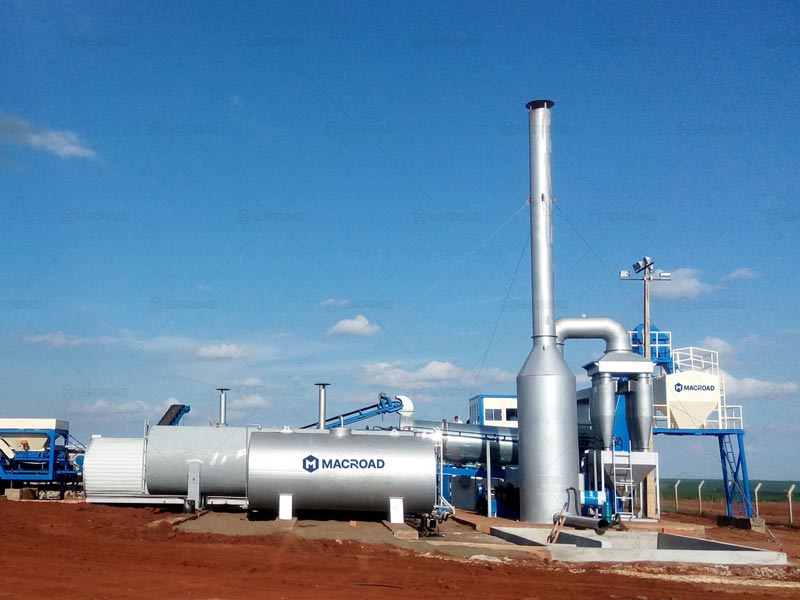
The Unique Operational Challenges of the Latin American Contractor
Latin America is not a uniform market. It is a mosaic of geographies, regulations, and climate zones. A contractor working in the Peruvian highlands faces very different conditions than one operating in the Argentine pampas. Yet, several common pain points unite the region. Fixed-site production creates dependency on trucking fleets, which are vulnerable to theft, rough terrain, and fuel price volatility. Furthermore, many projects are located in developing regions where the existing road network cannot support heavy hauling. When a contractor relies on a stationary asphalt plant, they are forced to either reject distant contracts or absorb prohibitive transportation costs. This is the primary friction point that mobile solutions eliminate.
Defining the Mobile Advantage: Beyond Portability
True mobility is more than wheels on a chassis. A modern mobile asphalt plant(planta aglomerado) integrates production capacity with rapid setup and teardown. Unlike permanent installations that require weeks of civil works and foundations, mobile units can become operational within days—sometimes hours. For Latin American contractors working under government contracts with tight rainy-season windows, this speed is a competitive weapon. Mobility also reduces capital exposure. Instead of investing millions in a fixed site that may become obsolete if project locations shift, contractors can deploy equipment as needed and relocate when the job is done.
How Mobility Reduces Logistical Bottlenecks
Every kilometer that hot-mix asphalt travels is a risk. Heat loss, segregation, and contamination degrade material quality. By positioning production at the project site, the contractor eliminates the haulage variable entirely. This improves density and compaction results, which directly translates to longer pavement life. Moreover, local communities often benefit from reduced heavy truck traffic through town centers, a factor that strengthens the contractor’s social license to operate.
Drum Mix Asphalt Plant: The Ideal Match for High-Volume Workflows
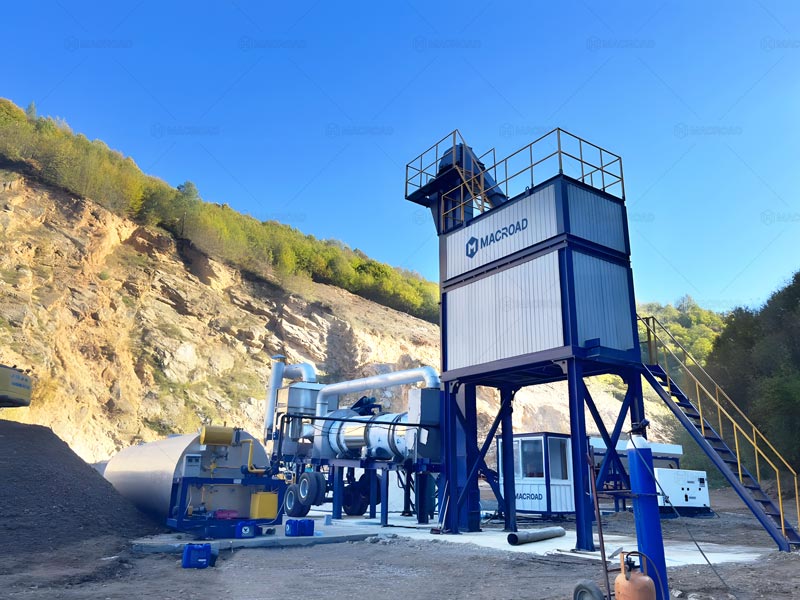
When evaluating technology types, the drum mix asphalt plant stands out for contractors who prioritize continuous production and simplicity. Unlike batch plants that intermittently produce material, a drum mix plant(planta de asfalto continua) manufactures asphalt in a continuous flow. This is highly effective for large-scale highway rehabilitation projects common in Mexico and Central America. The drum design dries and mixes aggregate in a single chamber, reducing mechanical complexity and maintenance requirements. For contractors employing local labor, the relative ease of operation is a significant advantage. Fewer moving parts mean less downtime and lower reliance on specialized foreign technicians.
Fuel Efficiency and Environmental Compliance
Latin American environmental agencies are tightening emissions standards, particularly in urban zones and ecologically sensitive areas. Modern drum mix plants incorporate advanced burner technology that achieves efficient combustion while using diesel, natural gas, or even used motor oil. This flexibility allows contractors to source available local fuels rather than depending on expensive imported alternatives. Additionally, the enclosed nature of drum mixing minimizes fugitive dust emissions, helping contractors maintain compliance with evolving regulations in countries like Colombia and Chile.
Mini Asphalt Plant: Right-Sizing for Rural and Municipal Projects
Not every contract involves multilane highways. A significant portion of infrastructure spending in Latin America is directed toward rural access roads, school zone paving, and municipal street maintenance. For these applications, the mini asphalt plant is an underutilized tool. These compact systems produce between 20 and 60 tons per hour, which is adequate for small subdivisions or patching programs. Their reduced footprint allows setup in confined spaces, such as village outskirts or industrial lots. Municipal contractors who previously purchased mix from distant suppliers can internalize production and respond more rapidly to urgent repairs.
Financial Barriers Lowered for Small and Medium Enterprises
The entry price for a mini asphalt plant is substantially lower than full-scale systems. This democratizes access to asphalt production, allowing smaller regional contractors to compete against national firms. In economies where access to credit is constrained, the lower capital requirement is decisive. Contractors can acquire equipment through local leasing structures and achieve payback within a single construction season.
Strategic Bidding Advantages with Mobile Equipment
Winning bids in Latin America’s competitive construction sector requires more than low prices. Public tenders increasingly evaluate technical proposals, execution methodology, and risk mitigation. A contractor who commits to deploying a mobile asphalt plant demonstrates project-specific planning. They can offer the contracting authority guaranteed supply continuity, unaffected by traffic disruptions or third-party plant breakdowns. This technical differentiation often outweighs a marginally higher bid price. Furthermore, contractors can pursue multiple small contracts simultaneously by relocating the plant between shifts or phases.
Responsiveness to Community and Political Pressures
Infrastructure projects in Latin America often face delays from community consultations, indigenous land claims, or unexpected archaeological findings. When these events halt a section of roadway, the contractor with a fixed asphalt plant faces demobilization costs or idle time. The mobile owner, however, can pivot. They can tow the plant to an alternative active segment or even a different contract entirely. This strategic optionality protects margins and preserves client relationships.
Overcoming Regional Service and Parts Concerns
One historical hesitation among Latin American contractors has been the perceived difficulty of servicing specialized equipment. However, the market for mobile asphalt plants has matured. Major manufacturers now maintain regional distribution hubs in Panama, Miami, and São Paulo, stocked with wear parts for drum mix and mini plants(mini planta asfáltica). Local dealer networks provide operator training and preventive maintenance programs. This ecosystem reduces the risk of extended downtime. Contractors should prioritize suppliers who demonstrate committed after-sales support infrastructure within the region, including bilingual technicians and remote diagnostic capabilities.
Implementation Roadmap: Transitioning to Mobile Production
Shifting from traditional procurement to self-performing asphalt production requires deliberate planning. Contractors should begin by analyzing their historical project mix. If the average contract distance exceeds 50 kilometers from the nearest fixed plant, the business case for a mobile unit strengthens. Next, evaluate permit pathways. Many Latin American jurisdictions classify mobile plants differently than permanent facilities, streamlining environmental licensing. Finally, consider co-investment models. Several regional contractors have formed joint ventures to share a mobile asphalt plant across non-competing territories, amortizing cost while building technical experience.
Training the Local Workforce
The transition also involves human capital. Successful contractors invest in certified operator courses and involve their quality control teams early. Unlike imported turnkey solutions, sustained success requires local ownership of the production process. When plant operators understand material properties and burner calibration, they optimize mix designs for local aggregates—reducing cement and binder waste.
Conclusion: Flexibility as the New Competitive Standard
Latin American infrastructure demand shows no sign of slowing. Yet the era of relying exclusively on centralized asphalt plants is fading. Contractors who embrace mobile solutions gain control over their schedules, their quality, and their margins. Whether deploying a high-capacity drum mix asphalt plant for a national highway or a nimble mini asphalt plant for a provincial road, the strategic move is clear. Flexibility is no longer a luxury; it is the prerequisite for sustainable growth in this diverse and demanding market. By integrating mobile production capabilities today, Latin American contractors position themselves as indispensable partners in the region’s ongoing development.